“`html

A forthcoming business book by Michael Slage

The Innovation
Mirage

Inside Ambitious Giga-Projects and the Reality of Building Big Ideas


Why do some seemingly impossible projects succeed while others,
backed by extraordinary talent, political support and billions in capital,
go off the rails?

Go inside some of the world’s most ambitious projects and discover
what separates transformative ideas from expensive illusions.

Join the Early Access List

Selected excerpts, publication updates
and priority preorder notification.

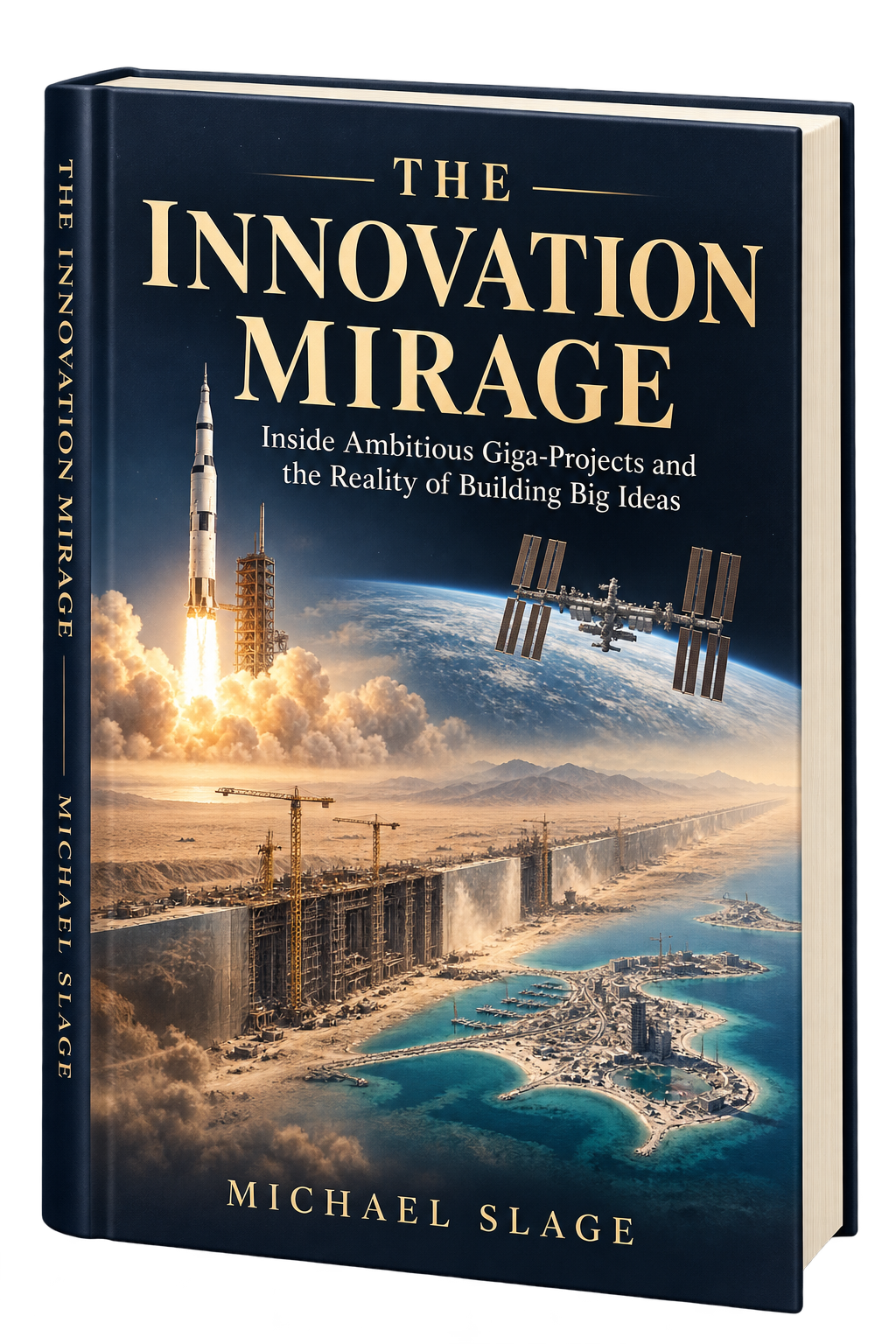
The Innovation Mirage by Michael Slage — hardcover book with a collage of major projects

Why some ambitious projects achieve the extraordinary while others struggle to turn vision into reality.

Michael Slage

“The most expensive mistake in modern business is not building
the wrong thing. It is building the wrong thing
with total confidence.”

The Question

What really happens when a big idea begins to lose contact with reality?

From the outside, major projects often appear to succeed or fail suddenly.
From the inside, they rarely do.

Assumptions become commitments. Early warnings are rationalized away.
Renderings become more convincing. Budgets grow. Timelines move.
Public promises become harder to reconsider.

The innovation mirage appears when an organization mistakes
the appearance of progress for evidence of progress.

Island construction in the Red Sea
Inside the Giga-Projects

The meetings after the meetings.

Michael Slage was one of the first 100 employees at NEOM and later
held senior investment and venture roles across Red Sea Global,
AMAALA and Soudah Development.

He worked across investment cases, partnerships, asset models,
strategy and development plans at the point where extraordinary
visions had to become customers, economics, budgets and executable decisions.

The Innovation Mirage goes beyond launch films and public
announcements to examine what happens when difficult questions
collide with institutional momentum.

“A warning becomes negativity. An opposing view becomes disloyalty. Soon the organization is protecting the plan from the information it needs to make the project work.”

Impossible Does Not Mean Impossible

Why do some moonshots actually work?

The book asks why some extraordinary projects remain connected
to operating reality while others become increasingly insulated
from it. Ambition matters. So does the discipline that turns it
into something people can build.

Saturn V launch
CASE 01 · APOLLO

An impossible goal, tested one step at a time.

Apollo is often remembered as Kennedy’s challenge followed by
astronauts walking on the Moon. The years between those moments
are the more useful management story.

Mercury tested human spaceflight. Gemini developed rendezvous,
docking and endurance. Successive Apollo missions tested the
spacecraft and the operations needed for a lunar landing
before Apollo 11 attempted the final step.

An extraordinary destination became achievable through
sequencing, ownership, testing and the willingness to learn.

CASE 02 · NASA & INTERNATIONAL SPACE

Big technology still depends on people agreeing what reality is.

Before Saudi Arabia, Slage worked in international relations at NASA
headquarters, coordinating across governments and space agencies
whose interests did not always align.

The lesson carried forward: extraordinary technology is not enough.
Complex systems require ownership, sequencing, trust and the ability
to respond when reality contradicts the plan.

Belief in the destination gives the work a purpose.
Evidence tells people what has to happen next.

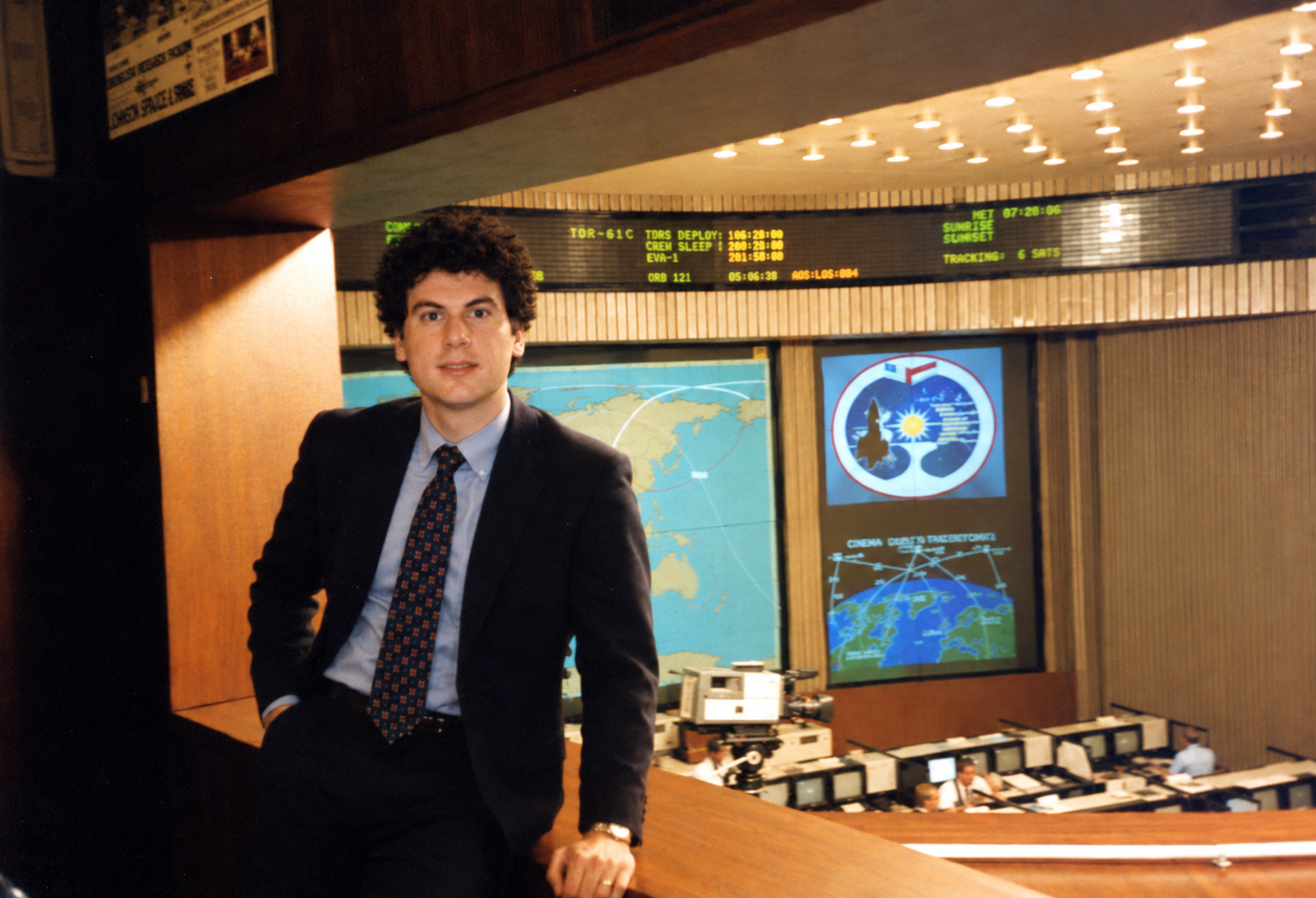
Michael Slage at mission control

A Wider Universe of Ambition

The pattern is bigger than Saudi Arabia.

First-person Saudi experience sits alongside famous cases of success,
failure and institutional overconfidence across infrastructure,
business, technology and space.

Giga-Projects

NEOM & The Line

What happens when extraordinary ambition and capital still cannot eliminate demand, economics and execution constraints?

Megaproject Failure

Big Dig · HS2 · California HSR

Cost escalation, shifting scope, sequencing problems and hardened political commitments.

Narrative vs Reality

Theranos & WeWork

What happens when compelling narratives, capital and scale move faster than operating evidence.

Disciplined Ambition

Apollo · ISS · SpaceX

Extraordinary goals broken into testable steps with ownership, technical feedback and evidence.

Built Environment

Bilbao Guggenheim

Preparation and modeling used to reduce uncertainty before expensive construction commitments.

Innovation Today

AI & Transformation

Why impressive pilots and innovation theater can create the appearance of progress without changing performance.

From the Writing

The mirage starts before anyone calls it failure.

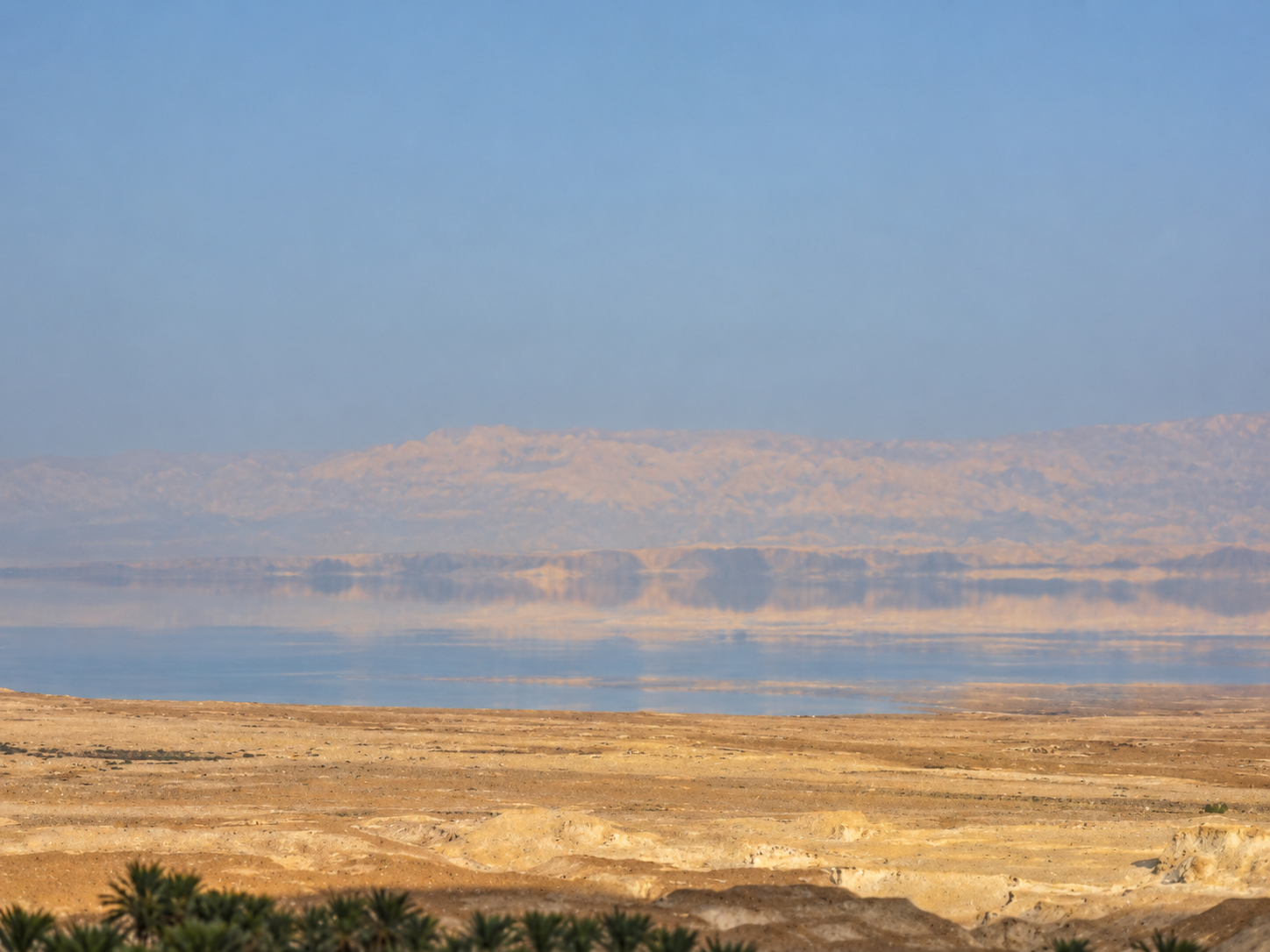
A mirage in the desert

The future can feel close enough to touch, especially when someone has
brought along a pretty rendering. But imagining a finished project and
understanding the steps necessary to accomplish it are very different things.

The danger comes when decision-makers become so attached to the picture
in their heads that contradictory information feels like an attack,
and changing the plan feels like surrender.

Adapted from “Chasing the Innovation Mirage”

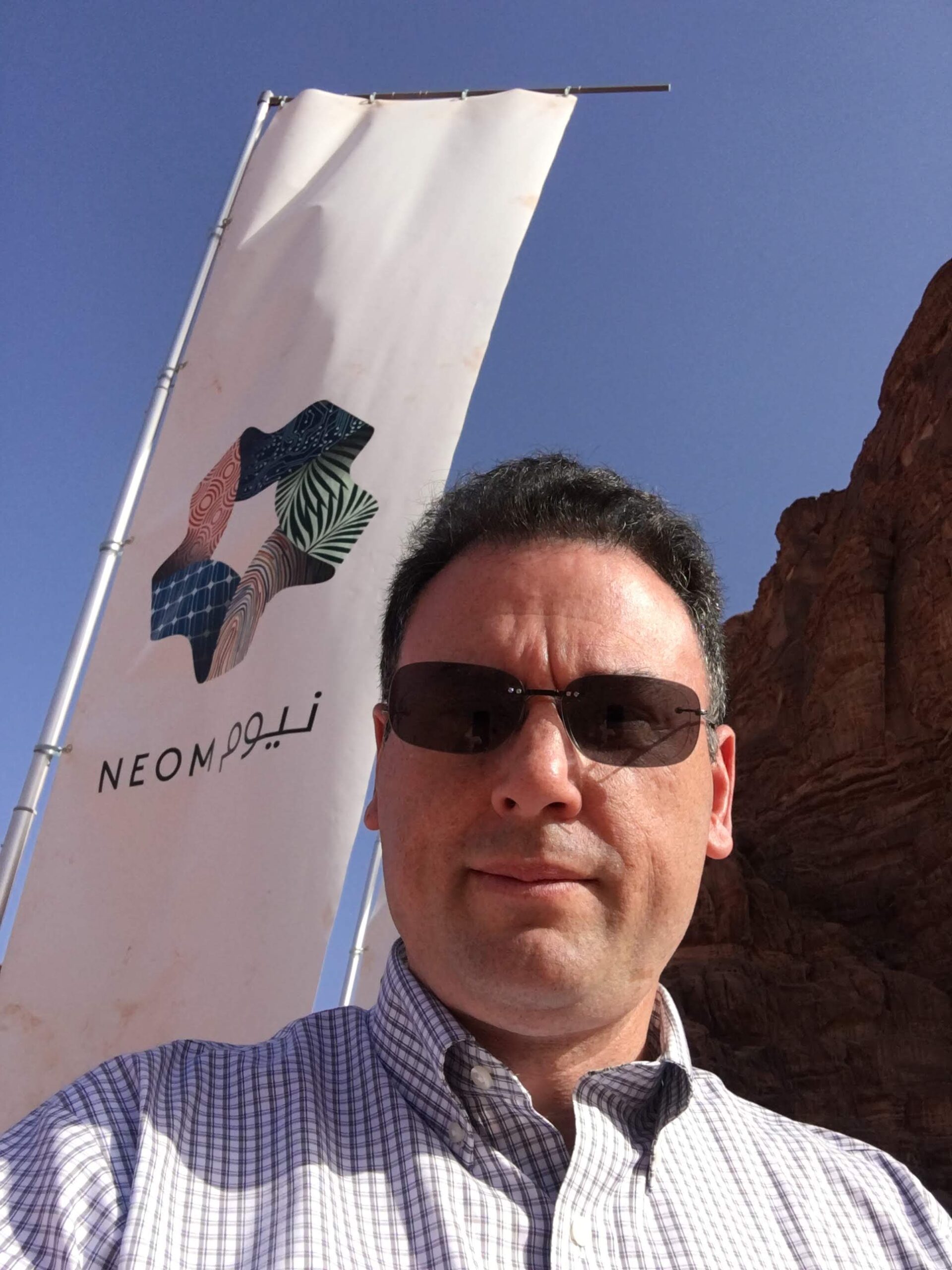
Michael Slage at NEOM
A View From Inside

Not an outside observer.

Michael Slage has spent more than three decades where ambitious visions have to become strategy, capital, customers, operating models and results.

His experience spans NASA, Saudi Arabia’s giga-project ecosystem,
venture capital, technology, healthcare, tourism, real estate and
innovation programs across more than 60 countries.

The book asks a broader question: why do serious people with serious
resources repeatedly build the wrong thing, and how can they know
before it is too late?

First 100
Among NEOM’s earliest employees
16 sectors
Worked across NEOM’s planned sector portfolio
60+ countries
Business and professional experience
NASA → Giga-Projects
Public missions, investment and execution

The Practical Method

Every Big Idea Needs PROOF.

A practical five-part test for separating what an organization knows
from what it hopes, identifying what must be proven next and deciding
what evidence should change the plan.

P

People

Who is this really for?

If the customer is abstract, the strategy probably is too.

R

Real Demand

What behavior proves they want it?

Attention is not demand. Demand is what people do when they have alternatives.

O

Operating Economics

Does the smallest meaningful unit work?

The unit has to work before the system is built around it.

O

Order

What has to come first?

Speed is not sequence. Building in the wrong order can kill good ideas.

F

Feedback

Can the organization hear reality in time?

Information usually exists. The question is whether anything changes when it arrives.

Scroll to Top